Dental sealants are a safe, simple way to lower the risk of cavities on the chewing surfaces of back teeth. They work best as a preventive treatment for children, teens, and some adults, but they do not replace brushing, flossing, fluoride, or routine dental visits.
If you are wondering whether dental sealants are worth it for your child or for yourself, a visit with family dentistry can clarify which teeth are most likely to benefit.
Encore Dental Studio in Winston-Salem, North Carolina provides preventive exams and sealant evaluations so patients get clear guidance and protection based on real cavity risk.
Molars and premolars have narrow grooves called pits and fissures. Food and cavity-causing bacteria can collect in these areas, and toothbrush bristles may not clean them well enough.
A sealant flows into those grooves and hardens into a smooth protective barrier. This helps keep bacteria and food away from the enamel and lowers the chance that decay will start on the sealed surface.
According to the CDC, sealants can prevent 80% of cavities in molars for two years. That makes them especially useful for teeth with deep grooves or a higher risk of decay.
Sealants mainly protect the chewing surfaces. They do not protect between teeth or along the gumline, so brushing with fluoride toothpaste and cleaning between the teeth every day still matter. For decay that forms between teeth, see signs of a cavity.
Children often get sealants soon after their permanent molars erupt, usually around ages 6 and 12. Early placement can protect these teeth during years when cavity risk is often higher. For broader guidance on timing and routine care, see child's first dentist visit.
Teens and adults may also benefit if they have deep grooves, a history of cavities, or areas that are hard to keep clean. A pediatric dentistry provider or general dentist can recommend sealants based on the condition of each tooth and the person's overall cavity risk.
Sealants are usually placed on teeth that do not already have a cavity. In some cases, a dentist may place one over a very early non-cavitated area of enamel change and monitor it closely.
If you are not sure whether sealants make sense, a preventive visit with family dentistry is a practical way to get an individualized answer.
The tooth is cleaned and dried first, then kept isolated from saliva. A conditioning material is applied to help the sealant bond to the enamel, and the liquid sealant is painted into the grooves.
A curing light usually hardens the material within seconds. The process is quick and painless because no drilling is usually needed.
Most people do not need numbing for sealants alone. The tooth may feel a little different to the tongue at first, but that sensation usually fades quickly.
If the bite feels uneven after placement, contact the dental office. The sealant may simply need a small adjustment.
Dental sealants have been used for many years and are considered safe. Some resin-based materials may contain trace amounts of BPA, but exposure from sealants is very low and brief, and major dental organizations consider the cavity-prevention benefits to outweigh that limited exposure.
Sealants often last for several years, though they can wear down, chip, or come off over time. During a routine dental cleaning & exam, the dental team can check whether they are still intact and repair or replace them if needed.
A worn or missing sealant does not automatically mean there is a cavity. It does mean the tooth may have lost some protection and should be rechecked.
Most people can eat and drink normally right after the visit because light-cured sealants harden immediately. Follow any instructions from the dental team if fluoride or another preventive treatment was done at the same appointment.
Keep brushing twice a day with fluoride toothpaste and clean between the teeth daily. Limiting frequent sugary snacks and drinks also helps protect the parts of the teeth that sealants cannot cover.
Schedule a dental evaluation if a sealed tooth develops ongoing sensitivity, pain when biting, a rough or sharp edge, or a visible dark spot or hole; see what a cavity looks like. These changes can point to sealant wear, decay, a crack, or another problem that needs an exam.
Seek prompt care for significant swelling of the gums or face, fever with dental pain, pus, worsening severe pain, or trouble opening the mouth. Trouble breathing or swallowing along with facial or mouth swelling needs emergency medical attention.
If a cavity does develop, including under a sealant, dental fillings may be needed to repair the tooth and stop the decay from getting worse.
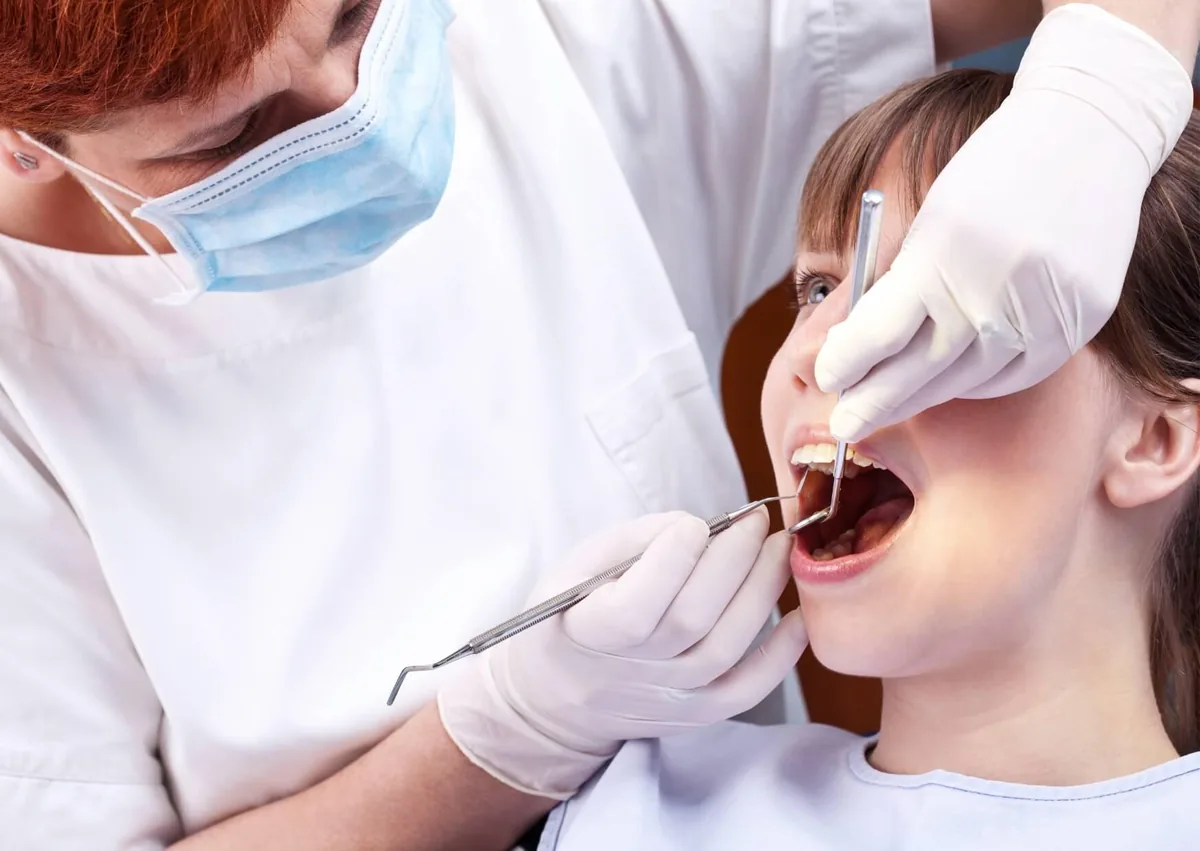
A dentist can confirm whether dental sealants fit a person's cavity-risk profile and whether the teeth are healthy enough for placement. Regular checks help keep the protection working and catch problems earlier.
If you want a sealant evaluation or preventive visit, request an exam to confirm which teeth will benefit and to arrange placement when appropriate.
Encore Dental Studio offers family dentistry in Winston-Salem, North Carolina and nearby Greensboro and High Point; call (336) 774-1771 or book online to set up a visit.
No. Children are common candidates because newly erupted permanent molars are more vulnerable to decay, but teens and adults with cavity-prone grooves may also benefit.
A properly placed, intact sealant lowers cavity risk by blocking food and bacteria from settling into deep grooves. Decay can still develop if the sealant leaks, chips, or wears away, which is why dentists check sealants during routine visits.
They often last for several years, but durability depends on bite forces, tooth position, and how well the sealant stays bonded. If the material wears down or comes off, it can often be repaired or replaced.
Coverage varies by plan, age, tooth, and preventive-care rules. The dental office can often help review benefits and provide an estimate before treatment.

Whether you need immediate emergency care, a same-day crown, or a routine dental checkup, Encore Dental Studio is here for you.