For many people, the first dental visit brings more uncertainty than pain. That uncertainty matters because skipped care often starts with not knowing what will happen once the appointment begins.
In practical terms, a first dental appointment is usually an information-gathering visit first and a treatment visit second. The dentist and team are trying to understand your oral health as it stands today, identify any active disease, and decide what needs routine follow-up versus prompt attention. That process is usually much less dramatic than people expect, but it is important.
A typical first visit may include forms, a health history review, dental X-rays, a gum and tooth exam, an oral cancer screening, and sometimes a cleaning. In some offices, the cleaning happens the same day. In others, it is scheduled later if there is significant buildup, gum inflammation, pain, or a need for a more detailed evaluation first.
The goal is not just to look for cavities. A careful first exam also checks the gums, bite, jaw joints, old fillings and crowns, signs of tooth wear, soft tissues such as the tongue and cheeks, and patterns that may suggest grinding, dry mouth, reflux, or other health issues that can affect the mouth.
At Encore Dental Studio, patients in Winston-Salem can expect a thorough and comfortable approach to dental cleanings and exams, with personalized care designed to help them better understand their oral health and next steps.
Dental problems often follow a quiet timeline. Plaque, a sticky film of bacteria, can harden into tartar over time. Early cavities may not hurt. Gum inflammation may cause a little bleeding during brushing long before a patient notices swelling, recession, or loose teeth.
That is why the first appointment works as a baseline. It creates a record of current findings and helps the dentist compare future changes. In many cases, the most valuable part of the visit is not what feels urgent that day, but what gets identified early enough to manage conservatively.
This is also where public perception and clinical reality can differ. Many people assume the dentist is mainly checking for holes in teeth. In reality, modern dental exams are broader. They look for signs of gum disease, cracked teeth, oral tissue changes, and bite-related damage that may not be obvious at home.
The appointment usually begins with registration forms and a medical history. This may feel routine, but it directly affects dental decision-making. Conditions such as diabetes, heart disease, autoimmune disorders, acid reflux, pregnancy, and sleep-related breathing problems can influence gum health, healing, dry mouth, and treatment planning.
The team will usually ask about allergies, past surgeries, current medications, tobacco or nicotine use, and previous dental experiences. It is worth mentioning dental anxiety, a strong gag reflex, jaw clicking, recent facial swelling, or a history of fainting during medical visits. These details help the office adjust pacing, positioning, imaging, and communication.
If you are in pain, be ready to describe when it started, whether it is triggered by cold, sweets, biting, or spontaneous throbbing, and whether it wakes you at night. That pattern can help distinguish a minor sensitivity issue from a problem involving the tooth nerve, also called the pulp.
The order varies by office, but a first dental appointment usually follows a straightforward sequence. A dental assistant or hygienist may start by taking X-rays and photographs. After that, the dentist reviews the images, examines the mouth, and explains what was found.
X-rays help show areas that cannot be seen directly, such as the spaces between teeth, the roots, bone levels, and developing or hidden decay. They may also reveal infections at the root tip, impacted teeth, failing dental work, or bone loss from periodontal disease, which is gum disease that affects the supporting bone.
Intraoral photos, which are close-up images taken inside the mouth, are increasingly common. They can be surprisingly helpful. Patients often understand cracks, worn edges, inflamed gums, or leaking fillings much better when they can see the area on a screen.
A periodontal screening is often part of the first exam. This may include gentle measurements around the teeth to assess the health of the gum attachment. Mild bleeding can happen during this check, especially if the gums are inflamed.
This part matters because gum disease often progresses quietly. Many patients with early or moderate disease report little or no pain. Bleeding during brushing, persistent bad breath, gum tenderness, or receding gums may be the first clues, but sometimes the earliest warning signs are found only during the exam and X-rays.
The dentist then evaluates each tooth, existing fillings, crowns, bridges, and visible surfaces for decay, cracks, wear, and bite issues. The exam may include checking how the teeth come together, whether any areas are tender to pressure, and whether there are signs of clenching or grinding.
If a tooth is painful, additional tests may be used. These can include tapping the tooth, applying cold, or asking you to bite on a small instrument. These are diagnostic tests, not treatment, and they help narrow down whether pain is coming from decay, a crack, gum inflammation, or the nerve inside the tooth.
A standard first visit often includes a soft tissue screening of the lips, cheeks, tongue, floor of the mouth, and throat area that can be seen clinically. The dentist is looking for ulcers, red or white patches, lumps, persistent irritation, or other tissue changes.
Most findings are not cancer. Many are related to cheek biting, friction, dry mouth, irritation, or common benign conditions. Still, a sore, lump, or patch that does not improve within about two weeks deserves prompt evaluation.
This is one of the most common questions, and the answer is: sometimes. If the mouth is generally healthy and the schedule allows, a routine dental cleaning & exam may happen at the same visit.
But a first appointment is not always a simple clean-and-go visit. If there is heavy tartar, substantial gum bleeding, signs of periodontal disease, significant pain, or a need for more detailed diagnosis, the office may postpone cleaning and schedule the appropriate treatment later. That is not a bad sign. It usually means the team is being methodical rather than rushing through a procedure that may not match the actual condition of the gums.
A routine cleaning is intended for maintenance. It is different from periodontal treatment used when gum disease is present. Patients are often frustrated when they expect a standard cleaning and learn they need a different level of care, but clinically that distinction is important.
First visits commonly uncover a mix of old and new issues. Some are active problems that need treatment soon. Others are areas to watch over time.
Common findings may include:
One of the more important lessons from routine dental care is that symptoms and severity do not always match. A small visible cavity can be sensitive, while a more advanced problem may remain silent until the nerve is involved. In the same way, gums can bleed daily from inflammation without causing the kind of pain that pushes someone to book a visit.
Most first dental appointments are routine, but some findings change the timeline. If there is facial swelling, fever, pus drainage, severe pain that is worsening, trauma, uncontrolled bleeding, or difficulty swallowing, the situation may require urgent dental care or, in some cases, emergency medical evaluation.
Other concerns that often need quicker follow-up include a broken tooth with pain, a deep cavity close to the nerve, a suspected abscess, rapidly enlarging gum swelling, or a soft tissue lesion that persists. Swelling that spreads, pain with fever, or trouble opening the mouth normally should not be treated as a wait-and-see issue. In those situations, seek emergency dentistry right away. If night-waking pain is severe, read more about extreme tooth pain.
A first visit can also reveal non-urgent but important patterns, such as severe dry mouth, widespread enamel erosion, or advanced periodontal disease. These may not require same-day emergency treatment, but they do call for a more structured treatment plan and closer follow-up.
Once the exam is complete, the dentist usually explains the findings in order of priority. A useful way to think about this is triage: what is urgent comes first, what is active but stable comes next, and what is minor or uncertain may be monitored.
In many offices, the next-step discussion includes:
This is the point where patients should ask direct questions. If something is described as urgent, ask what could happen if it is delayed. If a problem is being monitored, ask what changes would trigger treatment later. Good dental planning is not just about listing procedures. It is about understanding the reasoning behind them.
Fear of the dentist is common, and it shapes care more than many people admit. Some patients delay appointments for years because of a bad childhood experience, embarrassment about the condition of their teeth, or fear that every finding will lead to painful treatment.
In reality, the first appointment is often less invasive than expected. It is mostly conversation, imaging, examination, and planning. Telling the team about anxiety at the start usually helps. Offices can often slow the pace, explain each step before it happens, and build in breaks when needed. If nerves are a concern, ask about sedation dentistry as an option to make the visit calmer and more comfortable.
From a practical health standpoint, this matters. Delayed dental care tends to turn manageable disease into more complex disease. The emotional barrier is real, but so is the benefit of addressing problems before they become infections, fractures, or tooth loss.
Bring a list of medications, relevant medical conditions, and any recent dental X-rays if another office can send them. If there is a specific problem, note when it started, what triggers it, and whether it is getting worse. Those details often matter more than patients expect.
It also helps to arrive with realistic expectations. The first visit may answer every question, or it may be the start of a staged plan. If the dentist recommends follow-up rather than doing everything immediately, that often reflects good judgment, not hesitation.
For children, older adults, and patients with complex medical histories, the first appointment may involve additional coordination. That can include behavior guidance, caregiver input, medication review, or a more cautious treatment sequence. Dentistry is rarely one-size-fits-all, and the first visit is where that becomes clear. Families often choose a local family dentistry practice to keep care consistent across life stages.
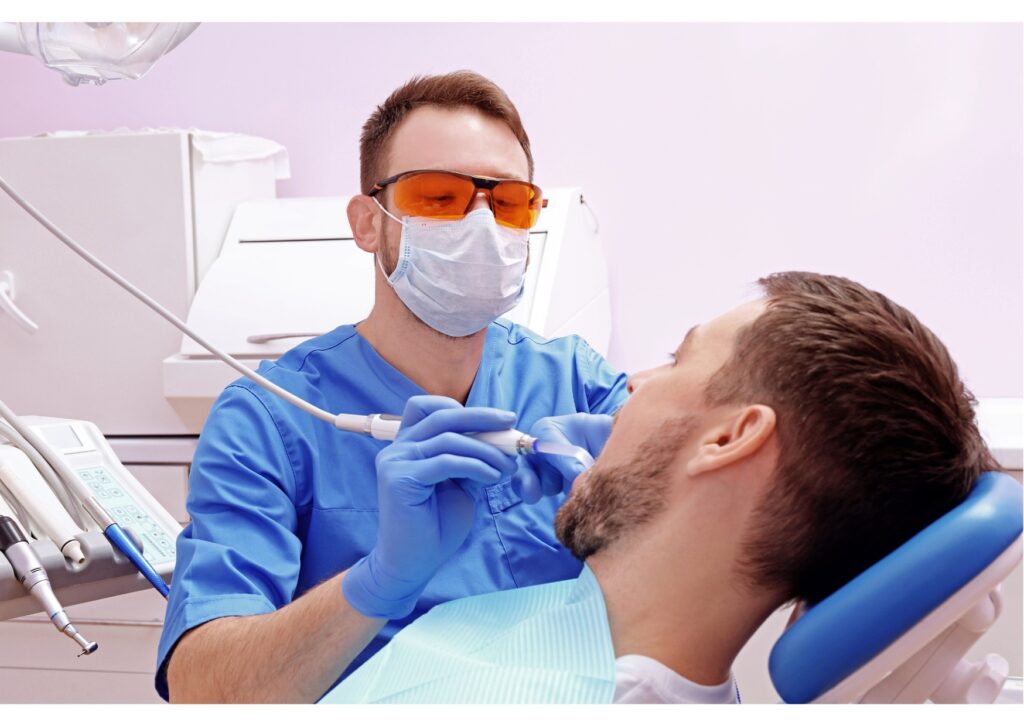
There is a broader lesson in what to expect at a first dental appointment. Oral disease often develops quietly through habits, time, and delayed access, much like other chronic health problems. By the time pain appears, the process may already be advanced.
That is why routine dental evaluation remains one of the most practical forms of prevention. It can catch disease earlier, clarify risk, and create a plan before a small issue becomes a crisis. That is the most useful way to think about the first appointment. It is not a test to pass or fail. It is a baseline, a reality check, and often the point where future problems become more preventable.
Take the next step toward protecting your oral health with a professional dental cleaning and exam at Encore Dental Studio. Whether you are overdue for care, experiencing symptoms, or simply want to know what to expect first dental appointment, our team is here to provide thorough, comfortable care for patients throughout Winston-Salem and nearby communities. Call (336) 774-1771 today to schedule your visit at our Winston-Salem, NC office.
Many first visits take about 45 to 90 minutes, depending on whether X-rays, a cleaning, or a more detailed exam is needed. Offices vary, so it is reasonable to ask when scheduling.
Most first visits involve examination and imaging, which are usually not painful. If the gums are inflamed or a tooth is already sensitive, parts of the exam may feel tender, but the team can usually adjust technique and pacing.
Not always, but X-rays are common because they show decay, bone levels, and other problems that cannot be seen directly. The need depends on symptoms, age, history, and when prior images were taken.
That is common, and it is better to restart care than keep delaying it. The dentist will assess current conditions and explain what needs attention now versus what can be monitored.
In most cases, yes. Brushing beforehand is helpful, but if there is severe pain or a planned procedure, the office may give specific instructions when you book.
Seek prompt dental evaluation for swelling, fever, pus, severe or worsening pain, a broken tooth with pain, or bleeding that does not stop. If there is trouble breathing, swallowing, or significant facial swelling, emergency medical care may be necessary.

Whether you need immediate emergency care, a same-day crown, or a routine dental checkup, Encore Dental Studio is here for you.