Feeling a sudden jolt of pain when sipping a cold drink or biting into ice cream can be both surprising and concerning. This common dental issue—widely known as tooth sensitivity to cold—affects millions each year.
While the discomfort may seem small at first, it often hints at underlying changes within the teeth. Understanding those subtle shifts can empower you to take control of your oral health.
And when the sensitivity continues or worsens, having a reliable dental team like the professionals at Encore Dental Studio in Winston-Salem ensures you receive timely, gentle, and effective care.
Tooth sensitivity occurs when the protective barriers that shield your nerves begin to weaken. This exposure allows sensations—especially cold temperatures—to reach deeper into the tooth, causing sharp, quick pain.
Think of your tooth like a house: once the insulation thins, temperature changes are felt instantly.
Dentin contains tiny tubules that conduct sensations straight to the nerves. When enamel wears away or the gums recede, these tubules act like open windows letting cold air rush in.
The pulp, located at the center of the tooth, houses delicate nerves. When these nerves become exposed or inflamed, even mild temperature shifts can cause intense discomfort.
Cold temperatures change fluid movement within the dentin’s tubules. This rapid shift—almost like a sudden gust of wind—stimulates the nerve, resulting in that familiar “zing.”
Sensitivity rarely appears out of nowhere. It often develops gradually due to daily habits or natural wear.
Acidic beverages (like sodas, citrus juices, and energy drinks) can dissolve enamel over time. Even frequent snacking on acidic fruits can accelerate this erosion.
As gums recede, the roots become exposed—and roots lack the strong enamel that normally protects the tooth. This makes them far more sensitive to cold temperatures.
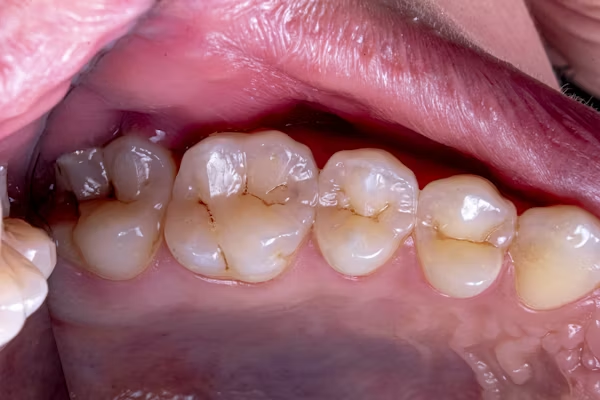
Old fillings, loose crowns, or worn bonding material leave gaps where cold can slip through. Even a tiny opening is enough to cause sensitivity.
Often, the sensitivity stems from underlying dental issues that require professional attention.
Cavities create openings in enamel and dentin. These vulnerable spots let cold reach the nerves much more easily.
Cracks can be so small they’re invisible to the naked eye, yet large enough to allow cold stimuli to penetrate deeper layers of the tooth.
Inflamed or infected gums begin pulling back from the teeth, exposing sensitive root surfaces.
Everyday habits—even the ones that seem harmless—can contribute to sensitivity over time.
Aggressive brushing not only irritates gums but scrapes away enamel like sandpaper. Over time, the damage becomes noticeable and painful.
Clenching places excessive pressure on teeth, creating tiny fractures and wearing down enamel.
Whitening gels and strips often irritate tooth nerves. Excessive use can leave teeth feeling “electric” when exposed to cold.
Sensitivity isn’t always constant—it often shows itself in specific moments.
A cold drink can trigger a fast, almost electric shock sensation.
Some people feel discomfort simply by inhaling cold winter air through the mouth.
Cold foods can trigger prolonged discomfort, making simple pleasures painful.
While occasional sensitivity can be normal, persistent or intense sensitivity indicates something deeper. This is when consulting professionals like those at Encore Dental Studio becomes essential.
Lingering pain often means the nerve is inflamed or irritated.
Swelling suggests infection, which requires prompt treatment.
Difficulty eating or drinking cold items signals a growing problem.
A proper diagnosis leads to targeted and effective treatment. At Encore Dental Studio, modern techniques help pinpoint the exact cause.
Your dentist checks for enamel wear, gum recession, decay, or damaged restorations.
These evaluations help determine which tooth—and which surface—is most affected.
Imaging reveals issues beneath the enamel that may not be visible during an exam.
While professional care is important, certain at-home strategies can help reduce sensitivity.
These toothpastes block pain signals from traveling through the dentin.
A softer brush helps protect enamel and preserve gum health.
Moderating temperature extremes allows irritated nerves to recover.
If sensitivity persists, your dentist may recommend one or more treatments.
Fluoride treatments remineralize weakened enamel, building up natural defenses.
Composite resin seals the exposed dentin and prevents cold from reaching the nerve.
Sealants provide a smooth, protective layer over vulnerable surfaces.
For deeper or more chronic cases, more comprehensive treatments may be necessary. Encore Dental Studio offers specialized solutions tailored to each patient.
This procedure restores gum coverage, protecting the sensitive root surfaces.
When the pulp becomes inflamed or infected, a root canal can eliminate pain entirely.
Old fillings and worn crowns are updated to seal and protect the tooth.
Prevention involves a combination of daily habits and long-term oral care.
Gentle brushing and consistent flossing maintain strong enamel and healthy gums.
Fluoride mouthwash fortifies enamel and minimizes nerve exposure.
Cutting back on acidic foods helps preserve enamel strength.
Sensitivity doesn’t always indicate a problem—sometimes it's a normal part of healing.
Dental work may irritate nerves temporarily, but discomfort usually fades within days.
Whitening often causes short-term nerve irritation that resolves naturally.
If sensitivity worsens or doesn’t improve, follow up with your dentist.
Your diet influences tooth strength and susceptibility to sensitivity.
Acidic snacks, sugary treats, and carbonated drinks accelerate enamel erosion.
Foods rich in calcium, fiber, and antioxidants promote oral health.
Vitamin D, calcium, magnesium, and phosphorus play essential roles in tooth strength.
Aging naturally affects teeth and gums, often leading to increased sensitivity.
Years of chewing and exposure lead to gradual enamel reduction.
Gum recession becomes more common with age, exposing sensitive roots.
Routine checkups and gentle dental habits help keep sensitivity under control.
Small changes in routine can protect your enamel and reduce sensitivity.
Ice can crack teeth and damage enamel instantly.
A straw directs cold liquids away from sensitive teeth.
Night guards prevent wear caused by grinding and clenching during sleep.
Some symptoms require immediate attention to prevent further complications.
Worsening pain is a clear signal that the underlying issue is progressing.
Longer-lasting pain often indicates nerve irritation.
These signs need prompt dental evaluation and treatment.
At Encore Dental Studio, located at 755 Highland Oaks Dr STE 106, Winston-Salem, NC 27103, our patient comfort and reliable results come first. Whether you are experiencing severe tooth sensitive to cold symptoms or simply want preventive care, our skilled team is committed to helping you feel your best.
We offer comprehensive services, including same-day dental crowns, emergency dentistry, gum treatments, and restorative care. We are open Monday through Thursday from 8 AM to 4:30 PM.
Whether you require immediate relief, long-term solutions, or routine preventive care, Encore Dental Studio provides a warm, welcoming environment where your smile truly comes first. Book today.
Tooth sensitivity to cold may start as a quick twinge, but it can quickly reveal important changes in your oral health. With proper understanding, early detection, and expert dental care, sensitivity can be controlled—or even eliminated entirely.
The dedicated team at Encore Dental Studio stands ready to restore your comfort with modern solutions, personalized care, and a commitment to your long-term oral health. A pain-free, confident smile is well within reach.
Cold temperatures reach exposed dentin or irritated nerves, triggering fast, sharp pain.
Sometimes it improves when enamel strengthens or gums recover, but persistent symptoms require evaluation.
Yes. Cavities often expose dentin or reach nerve tissues, causing sensitivity.
Absolutely—cracks allow cold to travel deeper into the tooth structure.

Whether you need immediate emergency care, a same-day crown, or a routine dental checkup, Encore Dental Studio is here for you.