A dental crown is a custom cap that covers a damaged tooth to restore its shape, strength, and function. For most patients, getting a crown takes two visits over 1 to 3 weeks, though some offices offer same-day crowns.
Traditional crowns became the standard because dentists needed a reliable way to protect teeth weakened by large fillings, fractures, root canal treatment, or heavy wear. In many cases, a dental lab also needs time to make a restoration that fits well and holds up to daily chewing.
The exact timeline depends on the condition of the tooth, the material used, whether a lab is involved, and whether infection, gum inflammation, or structural damage needs to be treated first. The best crown timeline is not always the fastest one. It should allow for a good fit, a comfortable bite, and lasting protection.
Encore Dental Studio in Winston-Salem, NC, provides dental crowns and restorative care as described in this article.
In the traditional process, the first appointment usually lasts about 60 to 90 minutes. During that visit, the dentist examines the tooth, removes decay or old filling material if needed, reshapes the tooth, and takes an impression or digital scan.
A temporary crown is often placed at the end of that visit. The final crown is then made in a dental lab, which commonly takes 1 to 2 weeks, though some cases take longer.
The second visit is usually shorter, often around 30 to 60 minutes. The dentist removes the temporary crown, checks the fit, color, and bite of the final crown, then bonds or cements it into place.
If the tooth is straightforward and the office has in-house CAD/CAM technology, a same-day crown may be possible. Even then, the appointment can take several hours because the tooth still needs to be prepared, scanned, designed, milled, and placed.
Not every tooth is ready for a crown on the first day. If there is deep decay, a crack below the gumline, active infection, or not enough healthy tooth structure to support the crown, more treatment may be needed first.
A tooth that recently had a root canal may be ready for a crown fairly quickly. In other cases, the dentist may recommend a build-up or a post first to create a stronger foundation.
Gum health also affects timing. If the gums are bleeding heavily or are swollen, the scan or impression may be less accurate, which can affect how the crown fits.
Lab timing is another factor. Around holidays, during busy periods, or when a front tooth needs a custom shade match, turnaround may be slower.
The first appointment usually starts with an exam and X-rays. These help the dentist check the roots, surrounding bone, old fillings, decay, and signs that the nerve may be inflamed.
Next, the tooth is shaped so the crown can fit over it properly. This step removes a measured amount of outer tooth structure and creates room for the crown material.
If the tooth is badly broken down, the dentist may place a core build-up before taking the final scan or impression. That helps create a more stable base and may lower the risk of the crown loosening later.
Once the records are taken, a temporary crown is usually placed. This protects the tooth from sensitivity, movement, and fracture while the final crown is being made.
A temporary crown is not as strong or as precisely sealed as the final one. It is meant to protect the tooth for a short time, not to serve as a long-term restoration.
During this stage, the tooth may feel mildly sensitive to cold or pressure. That can be normal, but worsening pain, swelling, or a temporary crown that comes off should prompt a call to the dental office or immediate emergency care.
Sticky foods, hard candy, and chewing ice can loosen or break a temporary crown. If the bite feels too high or the temporary feels unstable, it is better to have it checked than to wait for the final visit.
Same-day crowns are made in the dental office using digital scanning and milling technology. The main advantage is convenience, since treatment may be completed in one long visit instead of two separate appointments.
That said, same-day treatment is not always the best choice. Some back teeth with heavy bite forces, some complex cosmetic cases, and some teeth with limited access may still be better served by a lab-made crown.
Here is a simple comparison:
| Option | Typical Time | Main Advantage | Possible Limitation |
| Traditional crown | 2 visits over 1 to 3 weeks | Often highly customizable | Requires a temporary crown |
| Same-day crown | 1 visit, often 2 to 4 hours | Faster completion | Not available in every office or for every case |
A faster process can be appealing, but fit, bite, and long-term durability matter more than speed alone. A well-made crown should feel natural and protect the tooth for years. Learn more about how long crowns last.
Some teeth that seem to need only a crown turn out to need more evaluation first. A tooth with lingering heat sensitivity, spontaneous pain, or pain that wakes someone at night may have nerve inflammation that changes the treatment plan.
If the nerve is infected or irreversibly inflamed, root canal treatment may be needed before the crown is placed. That can add days or weeks, depending on symptoms, scheduling, and how the tooth responds.
Cracks can also complicate timing. A cracked tooth may look manageable at first, then show deeper damage once the old filling is removed.
That is one reason crown treatment can become a staged process. The final timeline often depends on what the tooth reveals after treatment begins.
At the delivery visit, the dentist removes the temporary crown and cleans the tooth. The final crown is then tried in to evaluate the margins, contact with neighboring teeth, color if needed, and bite alignment.
Small adjustments are common. The goal is a crown that feels secure, does not trap food easily, and does not hit too hard when biting.
Once everything looks right, the crown is cemented or bonded into place. Mild tenderness around the gums can happen afterward, but persistent pain when biting should be reassessed because it may signal a bite issue, an underlying crack, or inflammation inside the tooth.
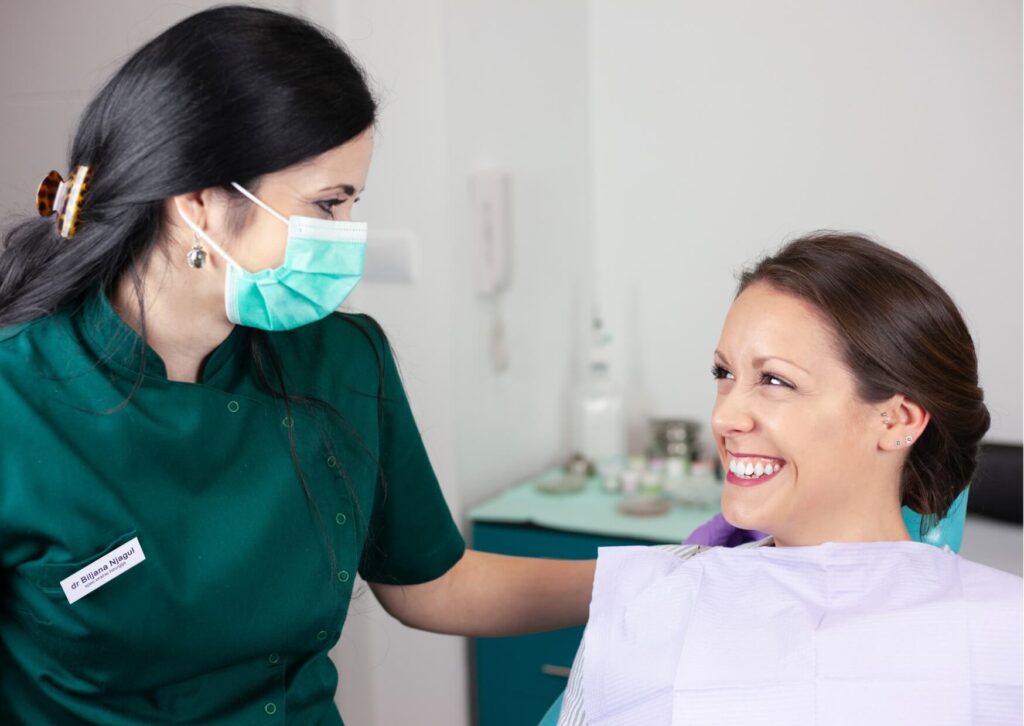
It helps to ask whether the office offers same-day crowns or uses an outside dental lab. Patients can also ask whether the tooth appears likely to need a build-up, root canal, or additional imaging before the crown is completed.
Other useful questions include how long the first visit usually takes, how long the temporary crown will be worn, and what symptoms should trigger an earlier follow-up. These details can make the process feel much more predictable.
If the tooth is painful, cracked, or has a large failing filling, delaying evaluation can make the timeline less predictable. In many cases, the quickest path to a stable crown is getting the tooth assessed before it breaks further.
If a tooth is cracked, painful, or breaking down around an old filling, a dental evaluation is the safest next step. A timely exam can clarify the real timeline, reduce the risk of sudden fracture, and make the next visit more productive rather than more urgent.
Encore Dental Studio in Winston-Salem provides dental crowns and restorative care for patients in Winston-Salem and nearby Greensboro and High Point; call (336) 774-1771 to schedule.
Yes, in some offices a crown can be completed in one visit using same-day digital technology. That option depends on the tooth, the bite, the material, and the equipment available.
For a traditional crown, the wait is often about 1 to 2 weeks. Some cases move faster, while others take longer because of lab timing or additional treatment needs.
The tooth is usually numbed during preparation, so the procedure is often manageable. Mild soreness or sensitivity afterward can happen, but severe pain, swelling, or worsening symptoms should be checked.
Contact the dental office as soon as possible. A missing temporary crown can leave the tooth sensitive and may allow movement that affects the fit of the final crown.
The dentist may need more time if the tooth shows signs of infection, nerve damage, deep fracture, or inadequate support for the crown. In those situations, slowing down is often the safer decision.

Whether you need immediate emergency care, a same-day crown, or a routine dental checkup, Encore Dental Studio is here for you.