In many cases, yes. Most patients can drive after a root canal if the appointment involved only local anesthetic and they do not feel dizzy, heavily uncomfortable, or affected by sedating medication.
The answer changes if sedation was used. If the visit included nitrous oxide in some offices, an oral sedative, or IV sedation, driving may not be safe right away, and a ride home is often required.
If you came in with extreme tooth pain, that discomfort may also affect how you feel after treatment and whether driving feels safe.
Encore Dental Studio provides root canal treatment in Winston-Salem, North Carolina, and offers experienced, patient-first care for people considering or recovering from a root canal.
The biggest factor is what was used to keep you comfortable. A root canal done with local anesthetic alone is very different from one done with sedation options.
Your recovery right after the appointment also matters. Some patients feel normal except for a numb lip or cheek, while others feel shaky, tired, or mentally foggy after a longer visit.
If the tooth was numbed with local anesthetic only, many patients can drive themselves home. Local anesthetic usually does not affect judgment, reaction time, or coordination.
Still, facial numbness can be distracting. If your mouth feels very numb, your speech feels off, or you simply do not feel normal, waiting a little before driving may be the safer choice.
Sedation changes the answer. Oral sedation and IV sedation can slow reaction time, reduce alertness, and affect decision-making for hours after the appointment.
If sedation was used, do not plan to drive unless the dental office specifically says it is safe. In many cases, patients are told not to drive until the morning after the procedure and to avoid important decisions or operating machinery for the rest of the day.
Nitrous oxide, sometimes called laughing gas, often wears off quickly after oxygen is given at the end of treatment. Some patients feel back to normal within minutes.
Even so, responses vary. If you still feel lightheaded, nauseated, anxious, or unfocused, it is better not to drive until you feel fully clear-headed.
Sometimes driving home is possible in theory but still not a good idea in practice. The safest choice depends on how the appointment went and how you feel when you get up from the chair.
It may be better not to drive if you have dizziness, shakiness, or trouble focusing after treatment. This can happen from stress, not eating enough, a long procedure, or sensitivity to medication.
Driving may also be unwise if pain increases quickly before the numbness wears off. Severe discomfort can distract you and make it harder to stay focused on the road.
Some patients also feel emotionally drained after a difficult dental visit. That does not always mean something is wrong, but it can still make driving less safe, especially in traffic or on a longer trip.
There is no single timeline that fits every root canal visit. A simple rule is to drive only when you feel alert, steady, and comfortable enough to focus normally.
If only local anesthetic was used, many patients can drive soon after the appointment. If sedation was used, your dentist may advise waiting several hours or until the next day, depending on the type of sedation and office protocol.
If you are unsure, ask before the procedure starts. That is especially important if you have a long drive home, a history of fainting during dental care, or a procedure scheduled after taking anti-anxiety medication.
| Situation | Is driving usually okay? | Notes |
| Local anesthetic only | Often yes | Best if alert and comfortable |
| Nitrous oxide only | Sometimes | Wait until fully clear-headed |
| Oral sedation | Usually no | Arrange a ride home |
| IV sedation | No | A responsible adult is typically required |
| Significant dizziness or pain | No | Wait and contact the office if symptoms persist |
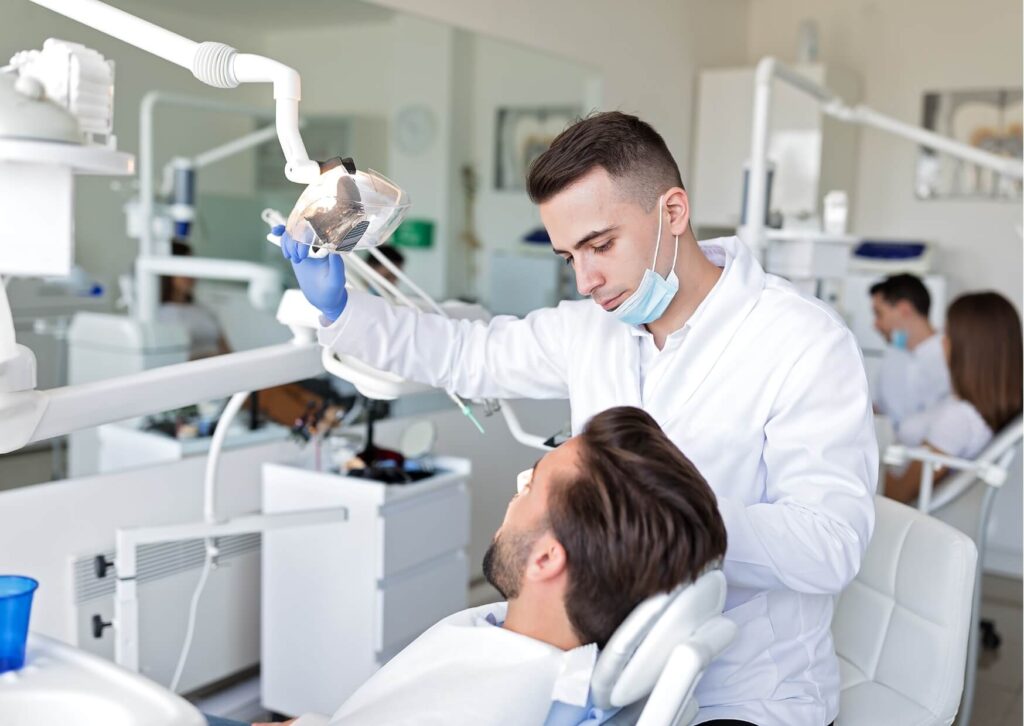
After a root canal, the most common short-term effects are numbness, jaw soreness, and tenderness when biting. These symptoms are usually related to the procedure and local inflammation, not a sign that driving is automatically unsafe.
The treated tooth may feel sensitive for a few days, especially if there was infection or significant inflammation beforehand. Inflammation is the body's response to irritation or infection, and it can take time to settle down even after the inside of the tooth has been cleaned.
A temporary filling or dental crowns may also make your bite feel different until the final restoration is placed. If the tooth feels too high when you bite down, call the dentist, because an uneven bite can increase soreness and make chewing uncomfortable.
Some symptoms deserve prompt follow-up, whether or not driving is part of the question. Contact the dental office if you have worsening swelling, fever, or severe pain that is not improving.
Also call if numbness lasts much longer than expected, your bite feels very uneven, or you notice drainage, a bad taste that does not go away, or trouble opening your mouth. These symptoms do not always mean a serious complication, but they should be checked.
Seek urgent medical or dental care right away for trouble breathing, trouble swallowing, rapidly spreading swelling, or signs of an allergic reaction.
A fast-moving infection in the floor of the mouth can become hard to breathe, so these are not routine post-treatment symptoms and may require emergency care.
If there is any chance sedation will be used, arrange transportation ahead of time. Do not assume driving will be allowed just because root canals are common.
It also helps to eat as instructed by the dental office and ask what type of anesthetic or sedation is planned. Patients who are prone to anxiety, low blood sugar symptoms, or vasovagal episodes, which are fainting reactions triggered by stress, should mention that before treatment begins.
For city driving, parking garages, and longer suburban commutes, the safest plan is often the simplest one: have a backup ride available. That removes pressure if the appointment takes longer than expected or leaves you feeling more drained than usual.
If the answer is not clear for your situation, the best source is the treating dentist or endodontist. A quick question before the visit can prevent an unsafe trip home and make the appointment easier to manage.
Encore Dental Studio provides root canal treatment in Winston-Salem, North Carolina, and serves patients from nearby Greensboro and High Point; call (336) 774-1771 to schedule a consultation or follow-up.
Often, yes, if only local anesthetic was used and you do not have sedation, dizziness, or significant discomfort. If sedation was used, a ride home is usually needed.
It can. Numbness usually does not affect judgment, but a very numb lip, cheek, or tongue can still feel distracting and uncomfortable behind the wheel.
That depends on the type of sedation and the dental office's instructions. In general, do not drive until the office confirms it is safe and you feel fully alert again.
Yes. Some fatigue can happen after a long or stressful dental visit, but if tiredness is significant or comes with dizziness or nausea, it is better not to drive.
Call if pain is getting worse instead of better, swelling increases, fever develops, numbness lasts longer than expected, or your bite feels very off. Seek urgent care for trouble breathing, trouble swallowing, or rapidly spreading swelling.

Whether you need immediate emergency care, a same-day crown, or a routine dental checkup, Encore Dental Studio is here for you.